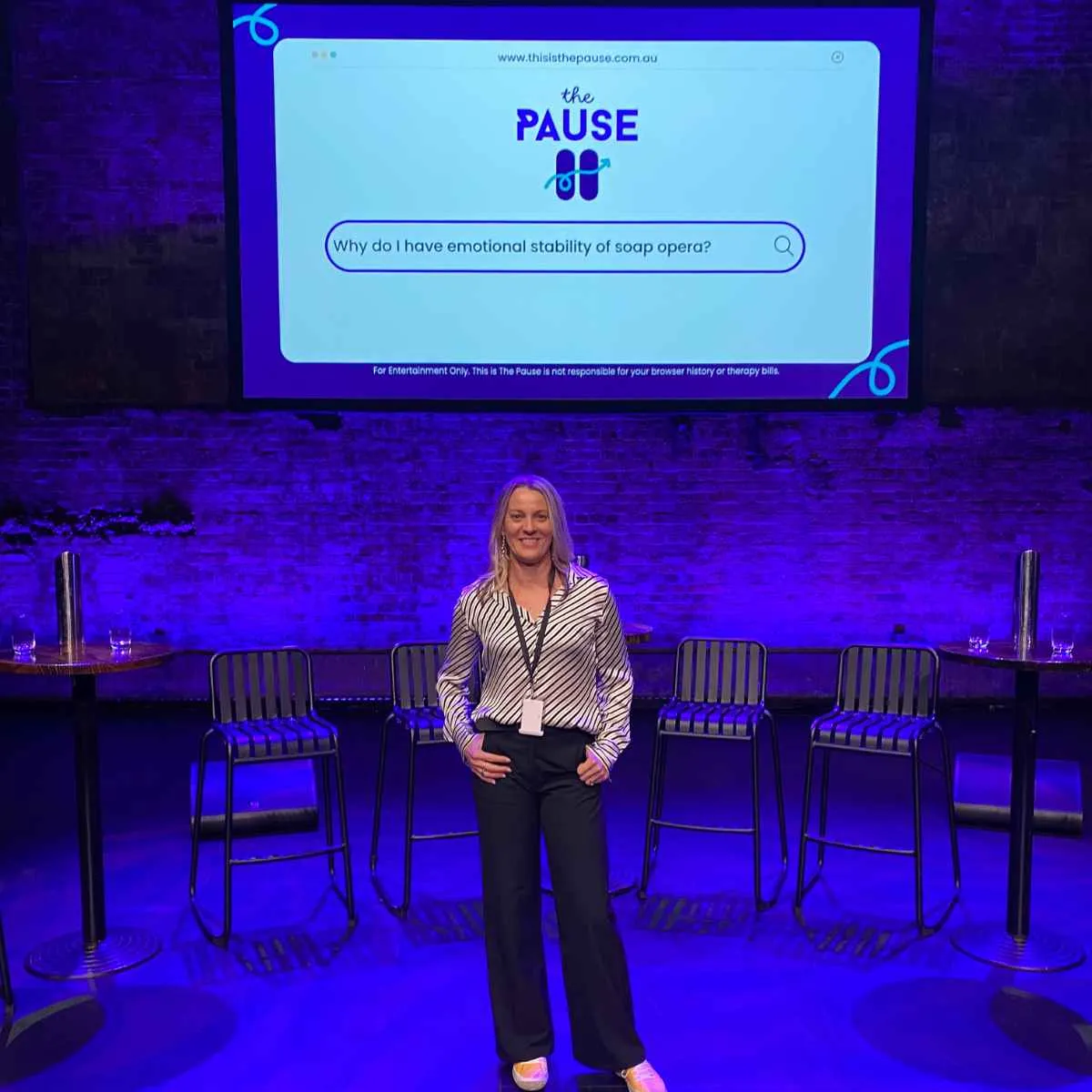
APril king
BUILD THE CAPACITY TO PERFORM, LEAD & LIVE WELL.
April King helps girls and women understand what their bodies can DO, build physical capacity and develop the foundations to remain strong, capable and confident throughout life.
POST-PRESENTATION

SPeaker april king
Speaker & Educator | Human Performance | Women’s Health | Strong Now Strong Later



BUILDING CAPACITY FOR LIFE
We place enormous focus on performance. How well we work. How much we achieve. How much we can fit into our lives. How our bodies look. How quickly we can return from injury.
But performance does not exist in isolation.
Every day, our work, sport, families and lives place demands on us. Our ability to meet those demands depends on the capacity underneath them.
Physical strength. Movement. Recovery. Sleep. Nutrition.
Confidence. Resilience. Understanding our bodies and knowing how to look after them.
April combines more than two decades of clinical experience with strength coaching, women’s health and human performance to translate complex health science into practical strategies people can actually use.
Her message is simple:
DEMAND IS INEVITABLE. CAPACITY CAN BE BUILT.
SIGNATURE SPEAKING AREAS
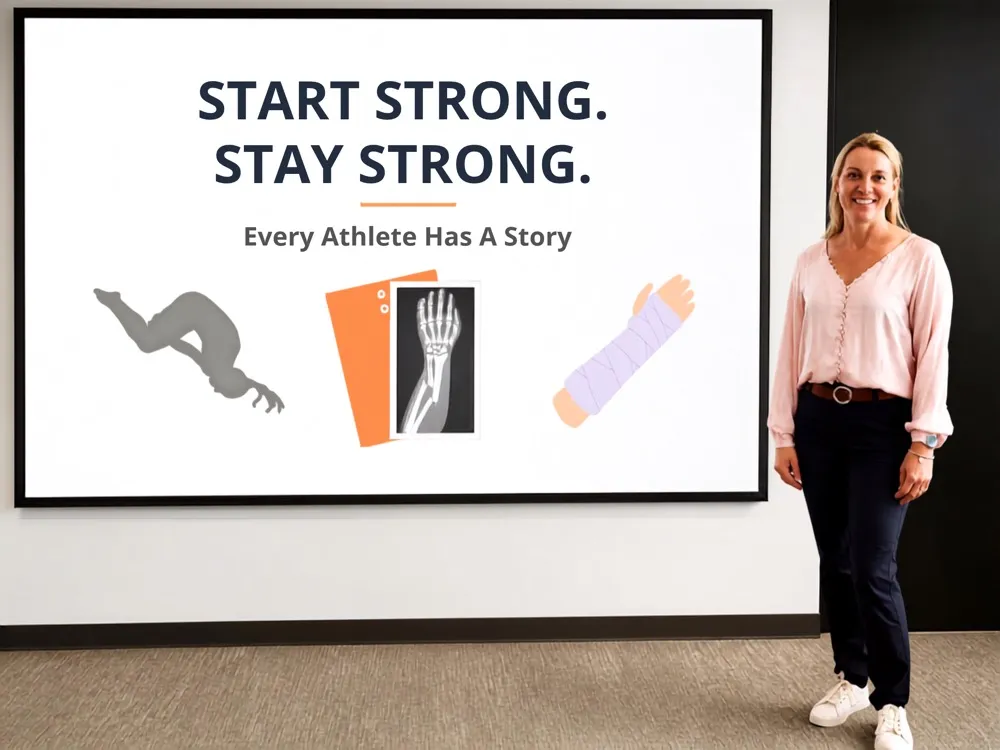
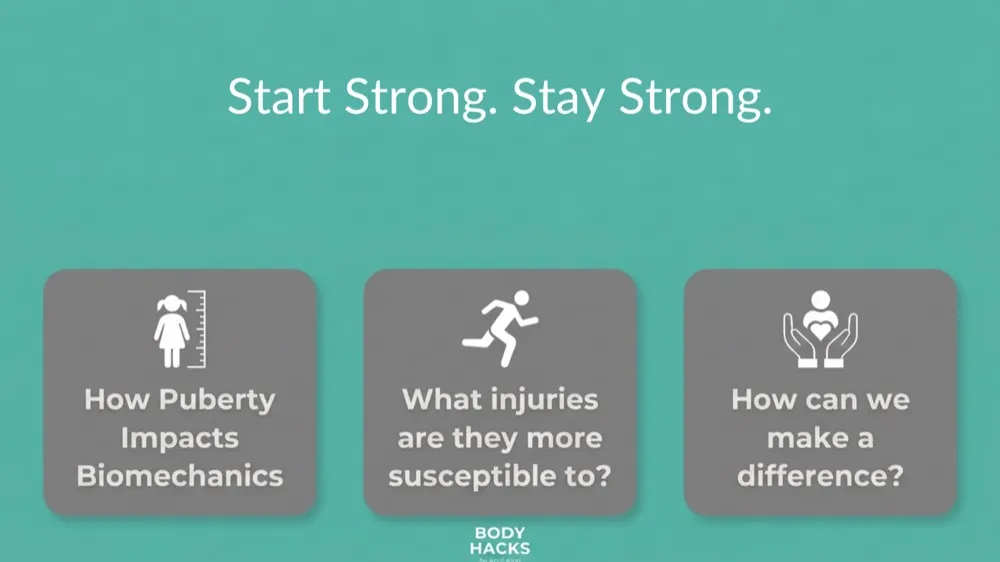
Start Strong. Stay Strong. can be delivered through tailored presentations and workshops for students, teachers, coaches and school communities.
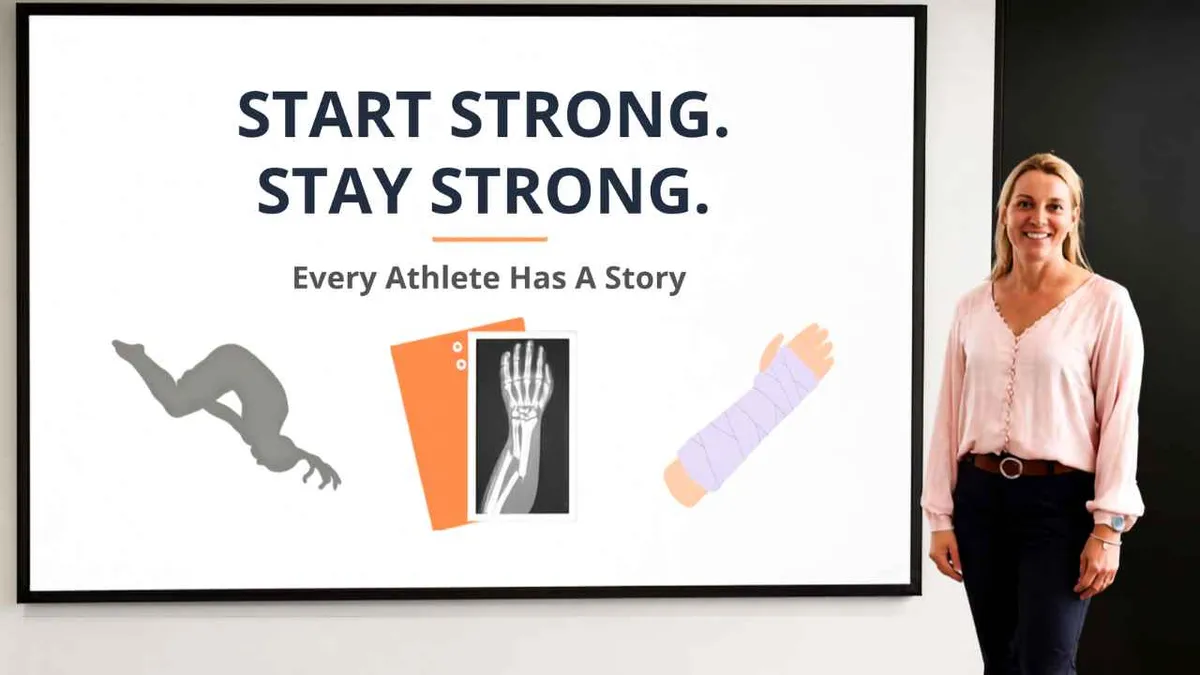
01. START STRONG. STAY STRONG.
Helping girls discover what their bodies can DO and build strong foundations for life.
For Girls | Schools | Parents | Teachers | Coaches | Youth Sport
Body positivity has encouraged girls to feel better about how their bodies look. Start Strong. Stay Strong. asks us to go further and help girls understand how their bodies work, move and perform, and what they are capable of building.
Puberty is a period of enormous physical change, yet it is also a critical window for developing bone, muscle, movement skills, confidence and the habits that can influence health and participation for decades to come.
Drawing on physiotherapy, strength and conditioning, women’s health and current research, April explores what changes through adolescence, why so many girls begin to disengage from movement and sport, and how we can give them the knowledge, confidence and physical capability to remain active.
The goal is not simply to get girls exercising today. It is to help them understand and take ownership of the bodies they have, build their capacity and create strong foundations for life.
Potential audience outcomes:
• Understand why adolescence is such an important period for building physical capacity
• Better understand the physical changes of puberty and how they can influence movement, confidence and participation
• Shift the conversation from how girls’ bodies look towards what their bodies can do
• Build greater confidence and ownership of movement and physical capability
• Support lifelong participation in physical activity
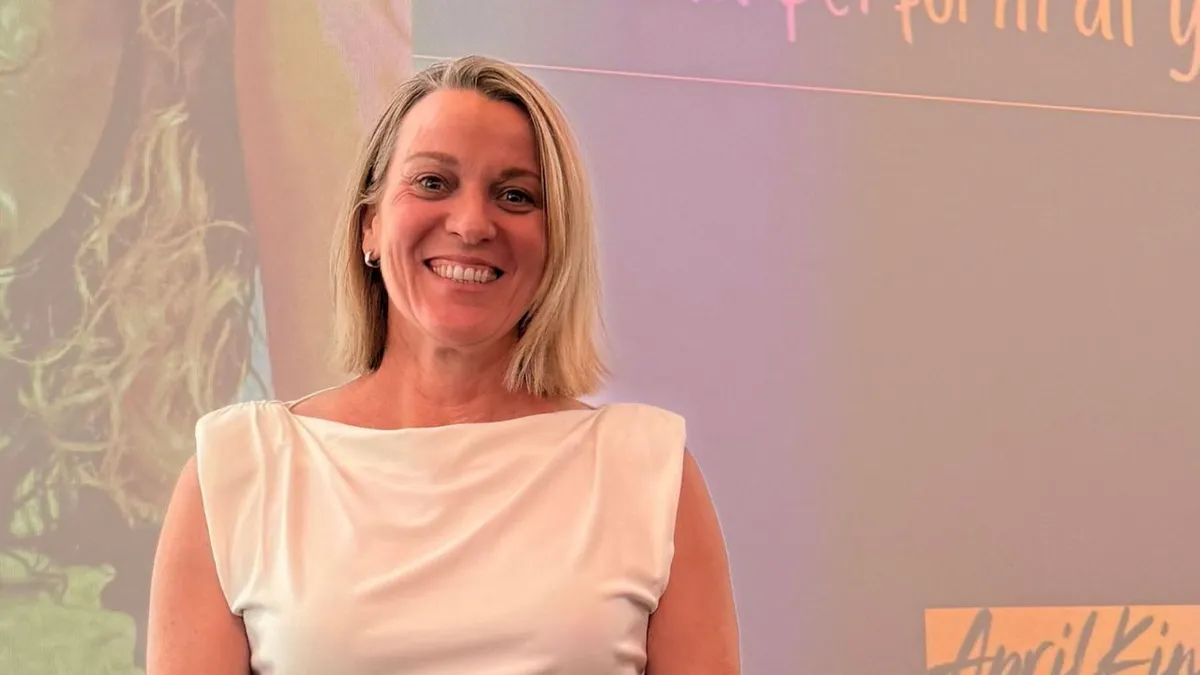
02. THE CHANGING FEMALE ATHLETE
Understanding puberty, performance and injury risk in adolescent girls.
For Coaches | PE Teachers | Schools | Sporting Organisations | Educators
As girls move through adolescence, changes in growth, hormones, body composition, biomechanics, strength and coordination can influence how they move, how they perform and potentially their vulnerability to particular injuries. At the same time, confidence and participation in sport and physical activity can begin to fall.
This presentation helps the adults working with adolescent girls understand what is changing, why it matters and how training and support can respond.
Drawing on physiotherapy, strength and conditioning, women’s health and more than two decades of working with bodies in movement, April translates the science of female adolescent development into practical information coaches and educators can use.
Rather than treating the adolescent female athlete as simply a smaller adult, this presentation asks how a better understanding of the changing female body could help us develop stronger, more confident and more capable young women.
Audience outcomes could include:
• Understand key physical changes occurring through female puberty
• Recognise how growth and maturation can influence movement, coordination and athletic performance
• Understand considerations around injury risk during adolescence
• Explore how strength and conditioning can support the developing female athlete
• Better support girls through periods of changing confidence, capability and participation
• Create environments that encourage girls to remain engaged in movement and sport
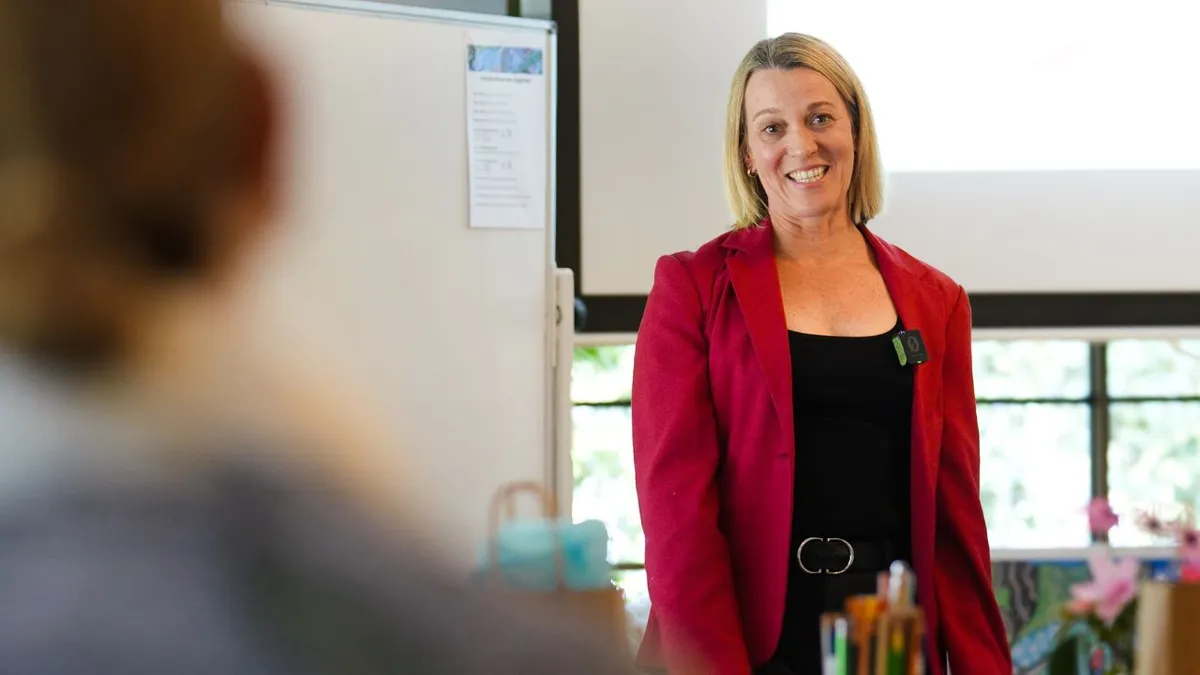
03. STRONG NOW. STRONG LATER.
Building strength, capacity and confidence for the decades ahead.
For Women | Midlife | Women’s Events | Health & Wellbeing | Community & Corporate Audiences
Midlife is often talked about as a period of decline. April reframes it as an opportunity to understand what is changing, take ownership of the things we can influence and deliberately build the physical reserves we want to carry into the decades ahead.
Drawing on more than two decades as a physiotherapist, 15 years in strength coaching and her work in women’s health, April translates the science of muscle, bone, menopause, cardiovascular health, nutrition, recovery and healthy ageing into practical strategies women can actually use.
Strong Now. Strong Later. is not about chasing youth or trying to stop ageing. It is about building strength, capability and confidence now so that we can continue doing the things that matter to us later.
Potential audience outcomes:
• Understand the physical changes that occur through midlife and menopause
• Understand why muscle, bone and cardiovascular health become increasingly important with age
• Learn the role of strength training, movement, nutrition, sleep and recovery in healthy ageing
• Identify practical actions that can build physical capacity and healthspan
• Shift the focus from fearing decline to actively building strength for the future
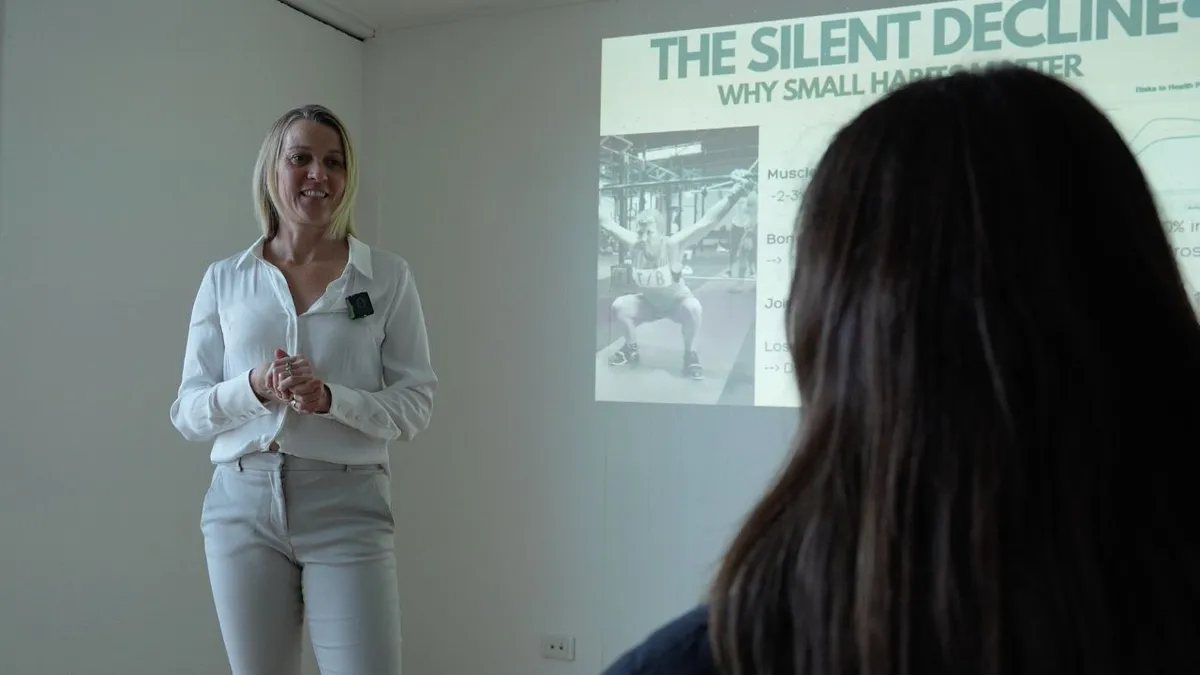
04. THE CAPACITY TO PERFORM
Sustainable performance for demanding lives.
For Executives | Leaders | Professional Women | Corporate Organisations | Leadership Events
High performance is often associated with mindset, productivity and the ability to keep doing more. But our ability to perform is also physical.
Professional and executive women are managing significant cognitive, emotional and physical demands across leadership, careers, families and life. When those demands continually approach or exceed the capacity available to meet them, performance, health and wellbeing eventually pay the price.
April explores the relationship between demand, capacity and performance, and why strength, movement, sleep, nutrition, recovery, stress regulation and women’s physiology are not separate from high performance. They help create the physical reserves that make sustained performance possible.
Rather than simply asking women to become more resilient or manage their time better, this presentation asks a different question:
What if we deliberately built more capacity underneath the life we are asking ourselves to perform in?
Potential audience outcomes:
• Understand the relationship between demand, physical capacity and sustainable performance
• Recognise when demands are beginning to exceed available reserves
• Understand how physical health influences cognitive and professional performance
• Identify practical strategies to build capacity rather than simply reduce demand
• Develop a more sustainable approach to performing and leading well
additional SPEAKING AREAS
Presentations and workshops can also be tailored to the health, performance and wellbeing needs of your organisation, school or audience.
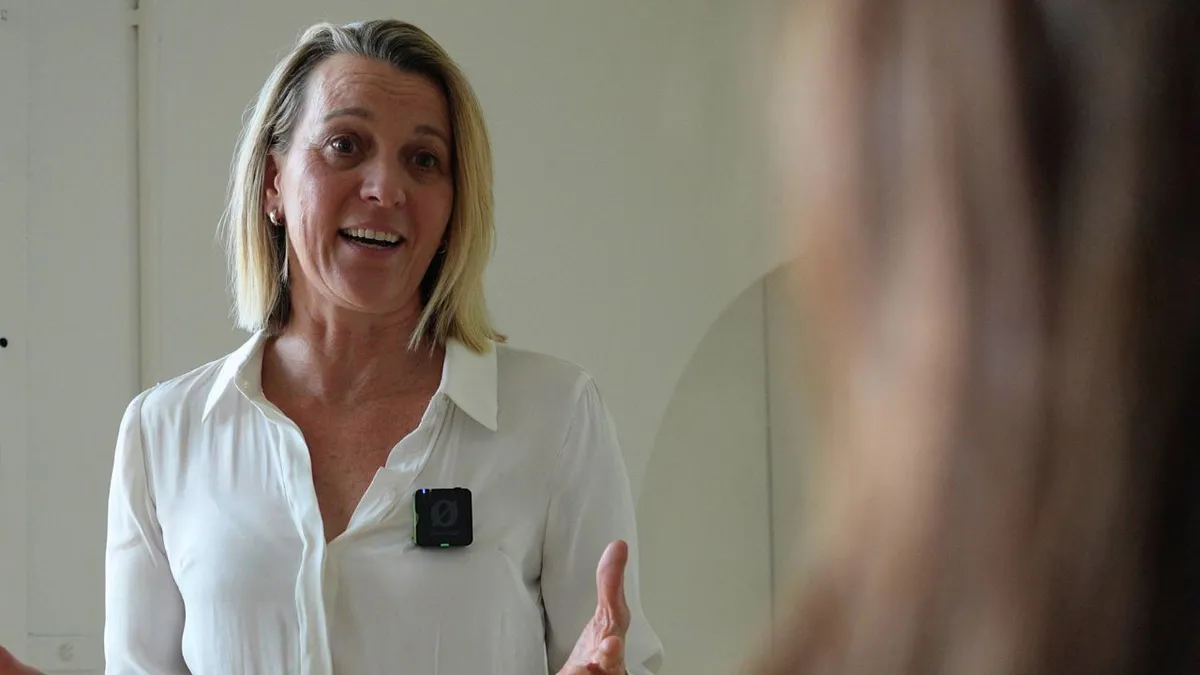
MENOPAUSE, WORK & WELLBEING
For Executives | Leaders | Professional Women | Corporate Organisations | Leadership Events
Practical, evidence-informed education helping women and organisations better understand menopause and its potential impact on health, work and performance.
YOUR CHOICE
tailored to your audience
Other presentations/workshops can also be tailored around:
• Strength and healthy ageing
• Women’s health
• Injury, pain and maintaining participation in exercise
• Healthy physical habits
• Movement and physical capacity
• Adolescent girls and physical activity
• Female athletes
• Menopause and exercise
april in action
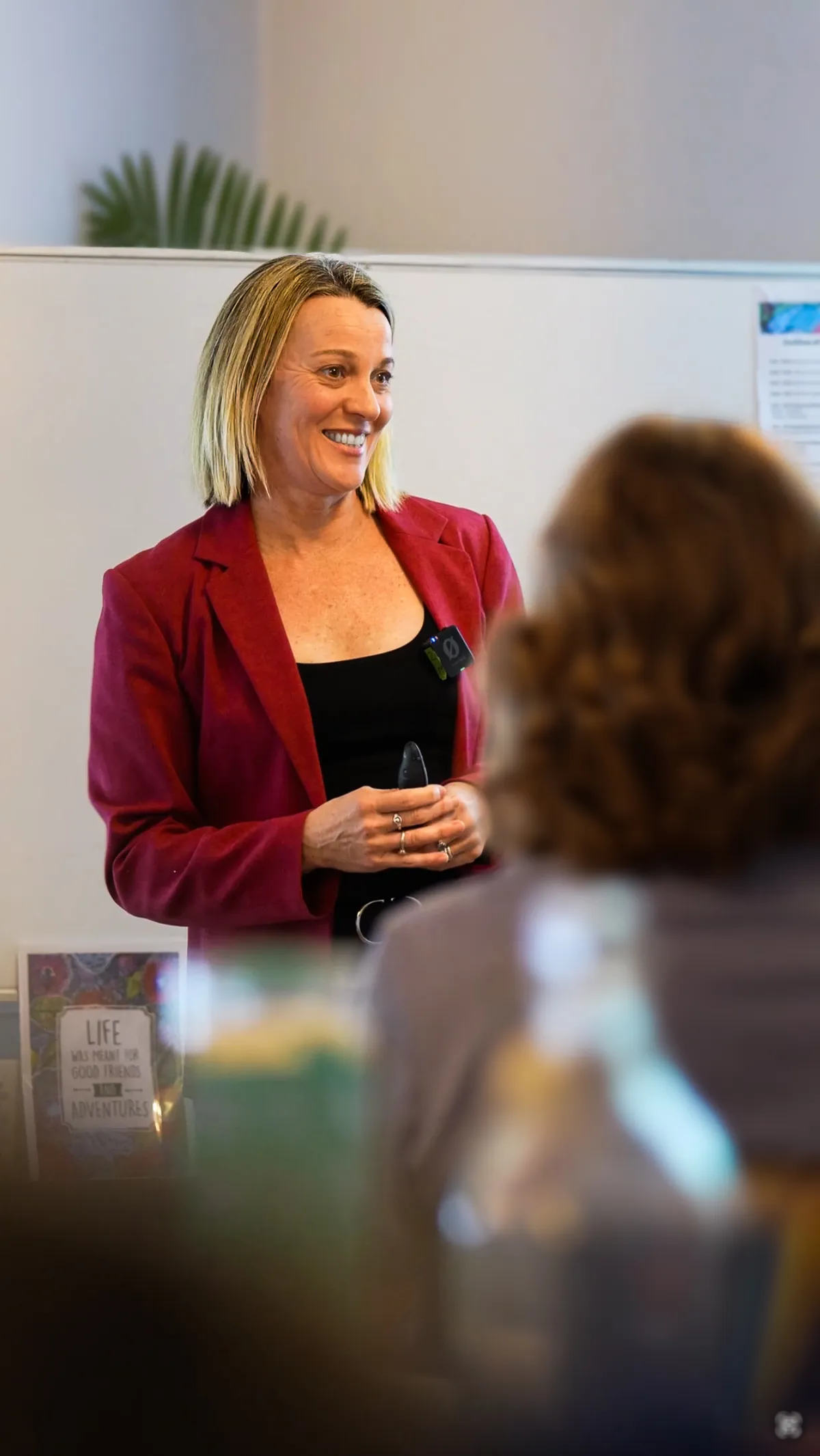
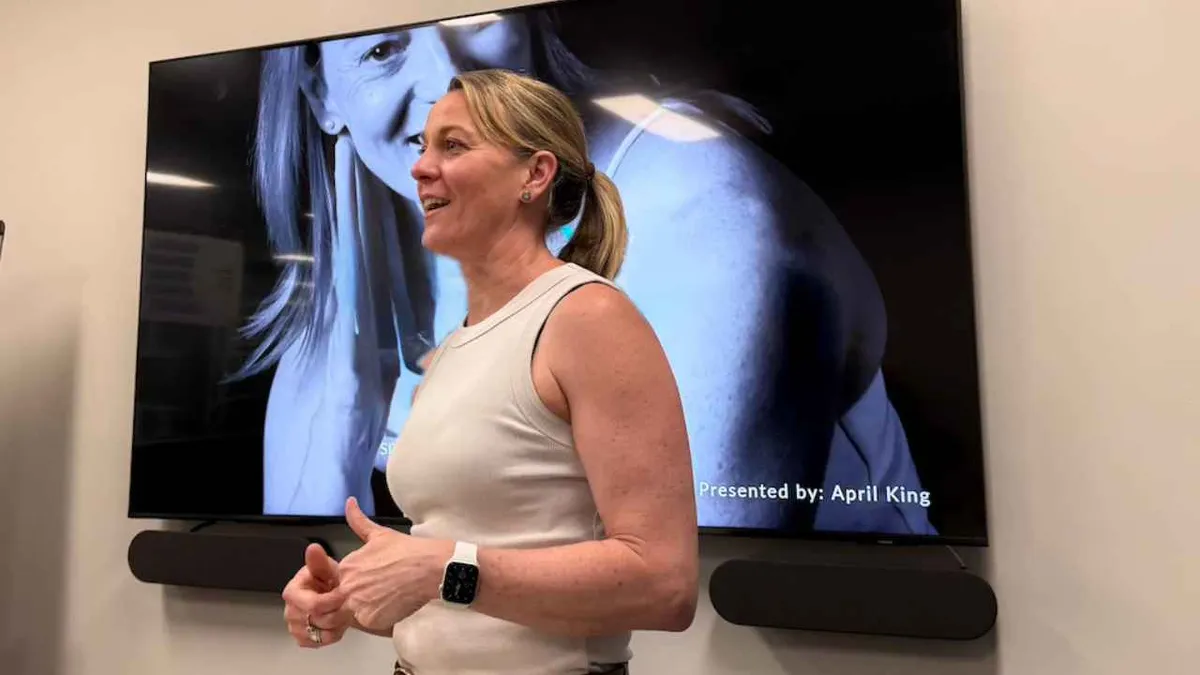
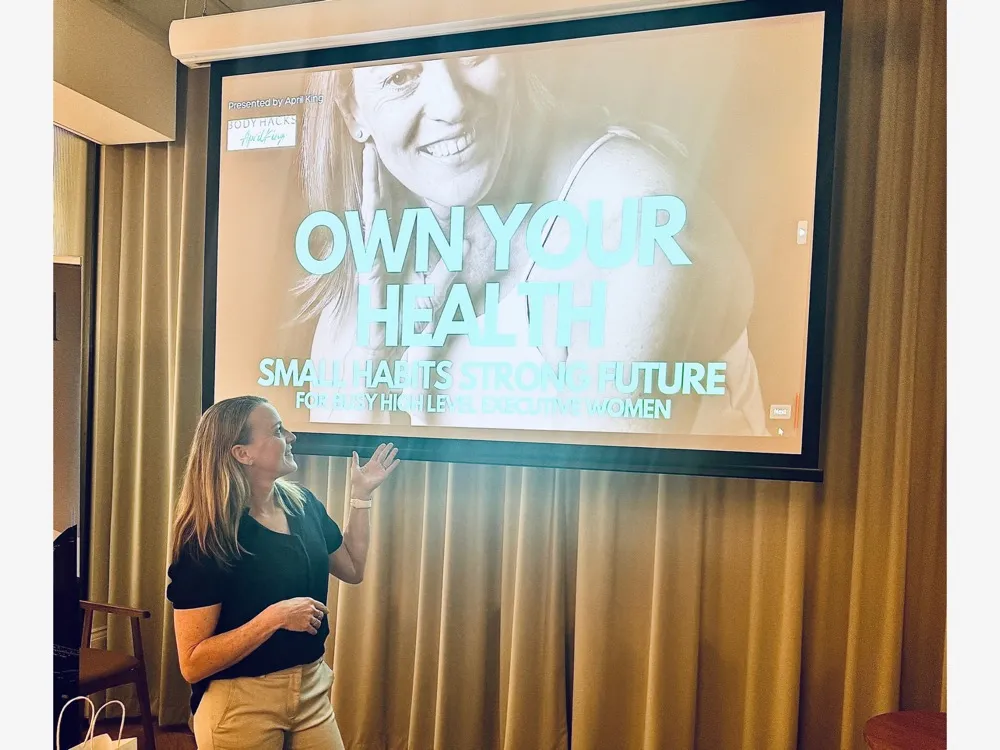
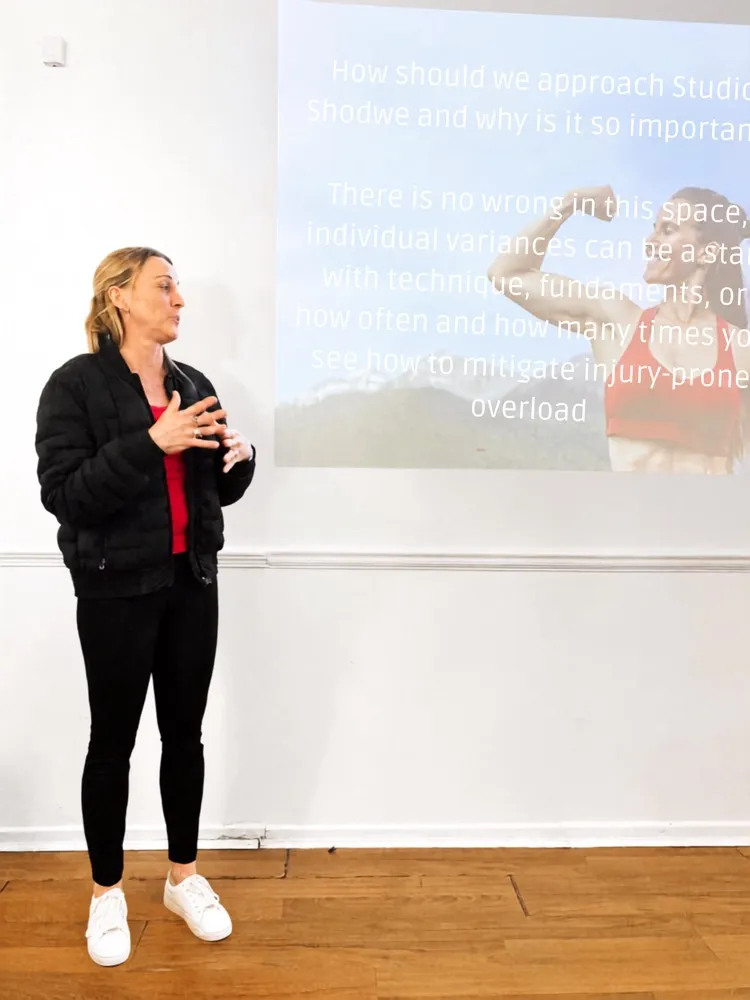
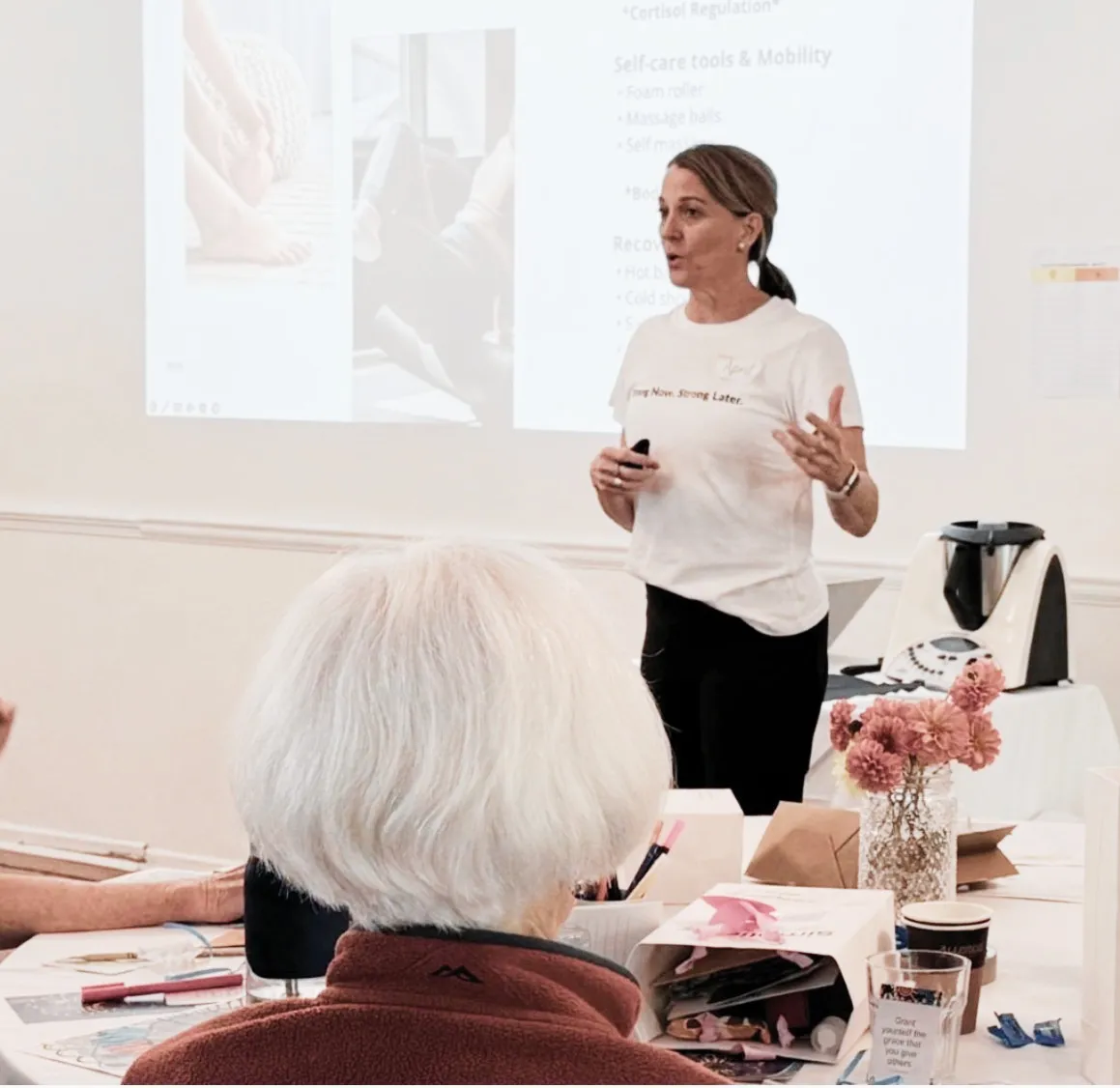
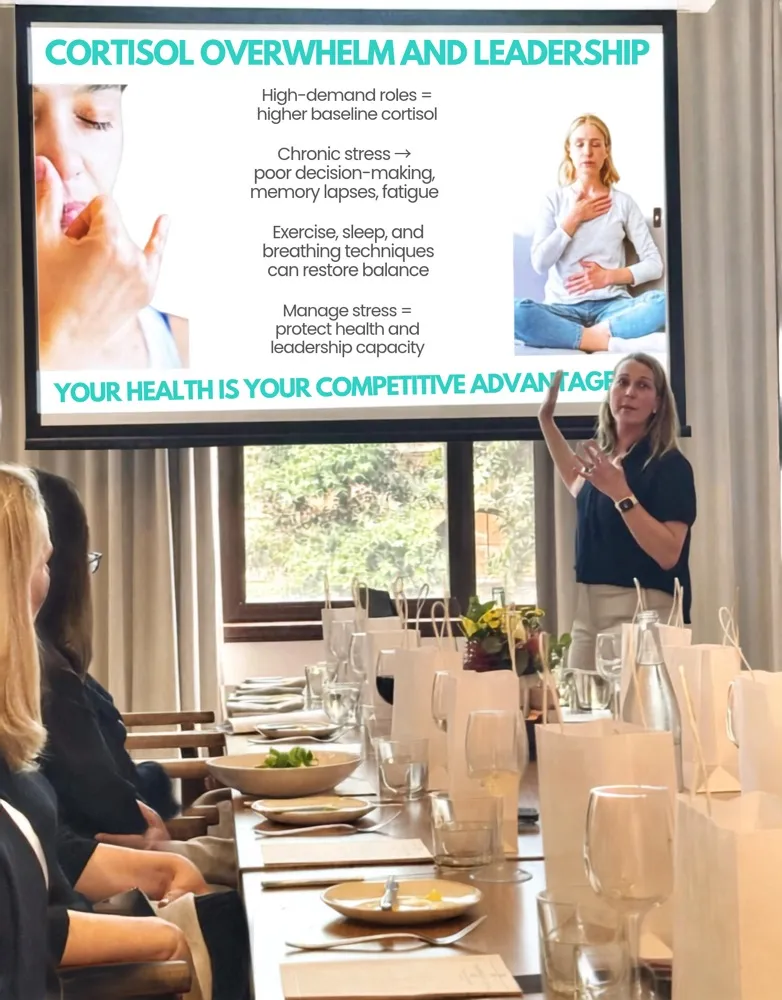
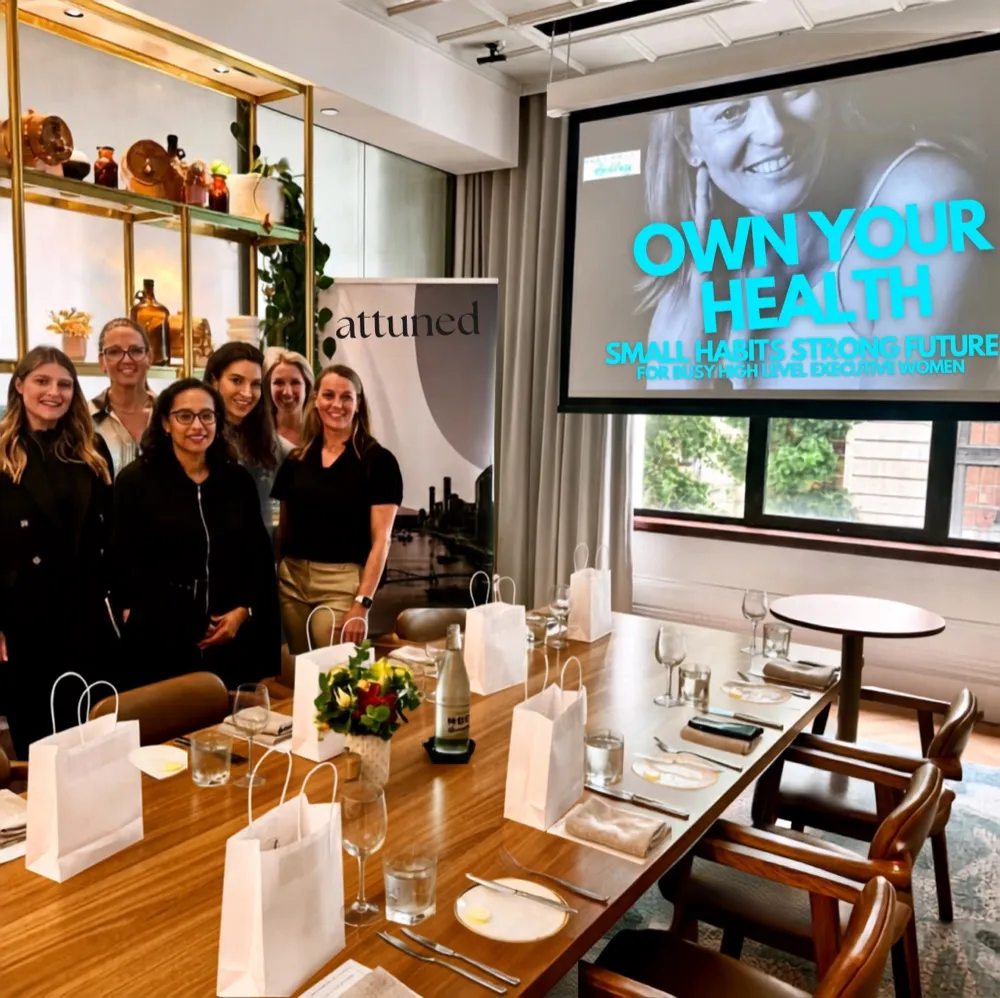
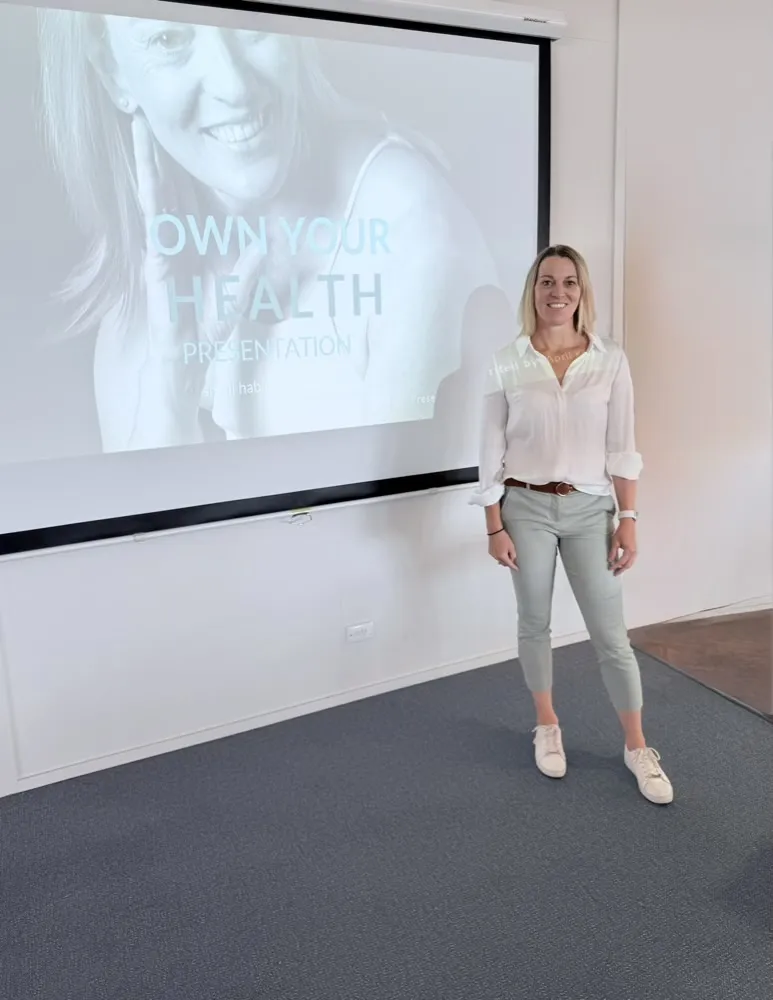
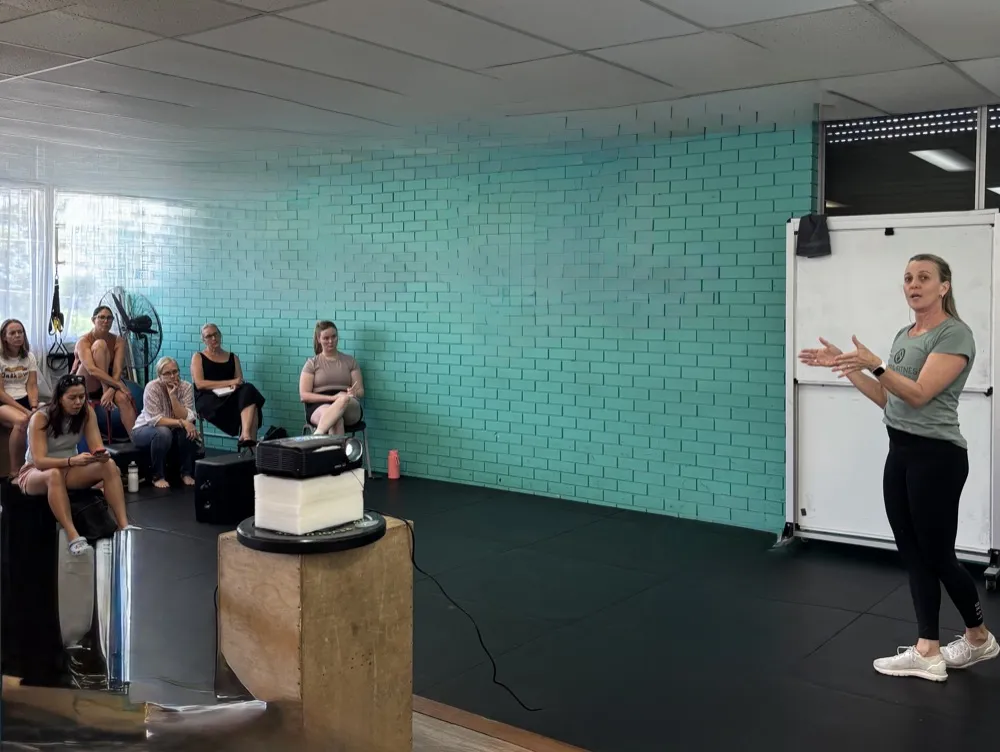
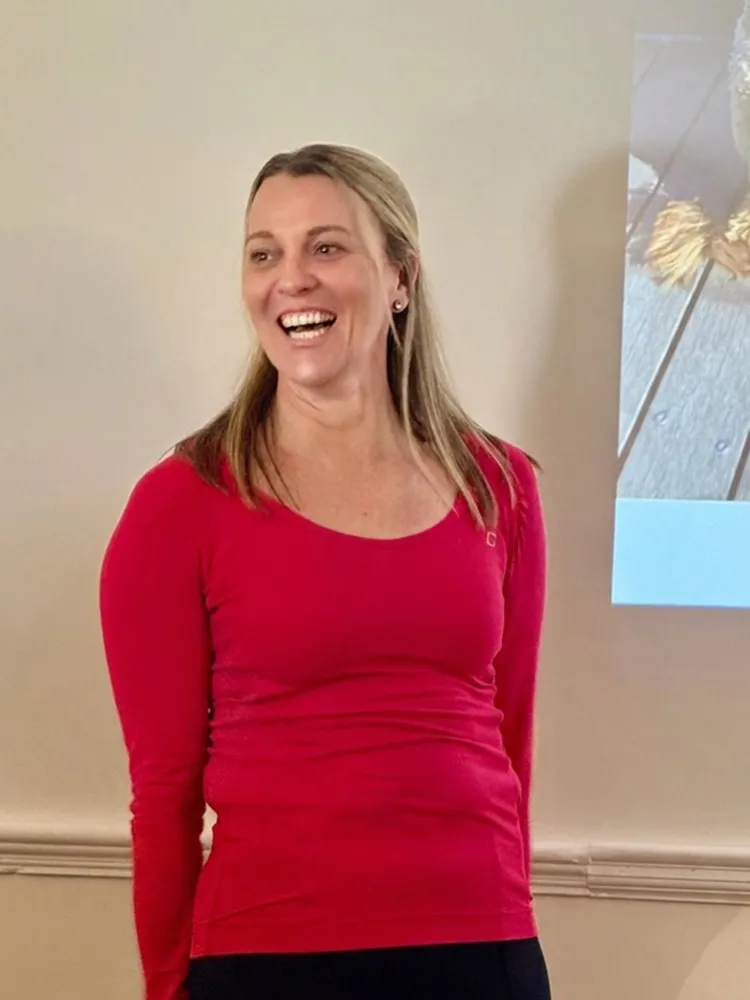
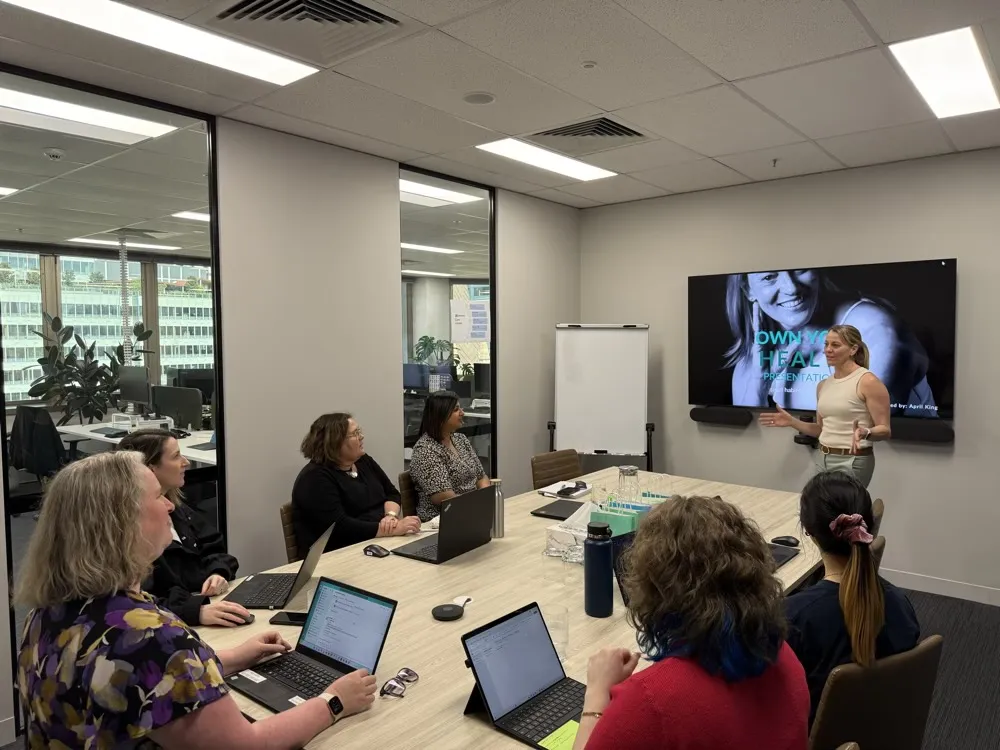
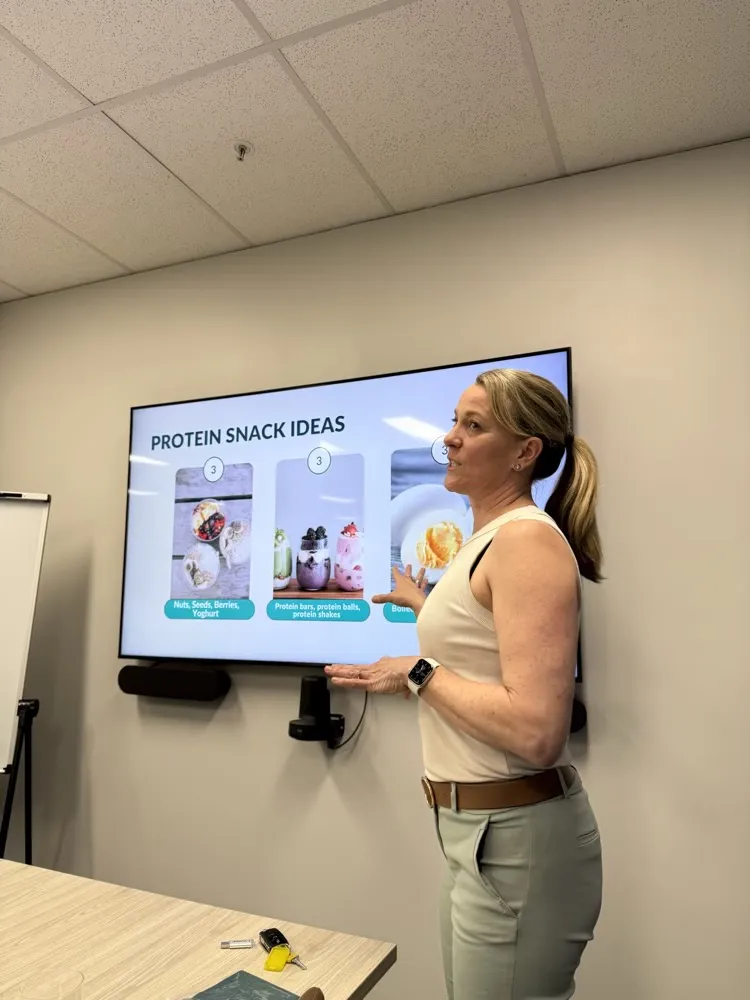
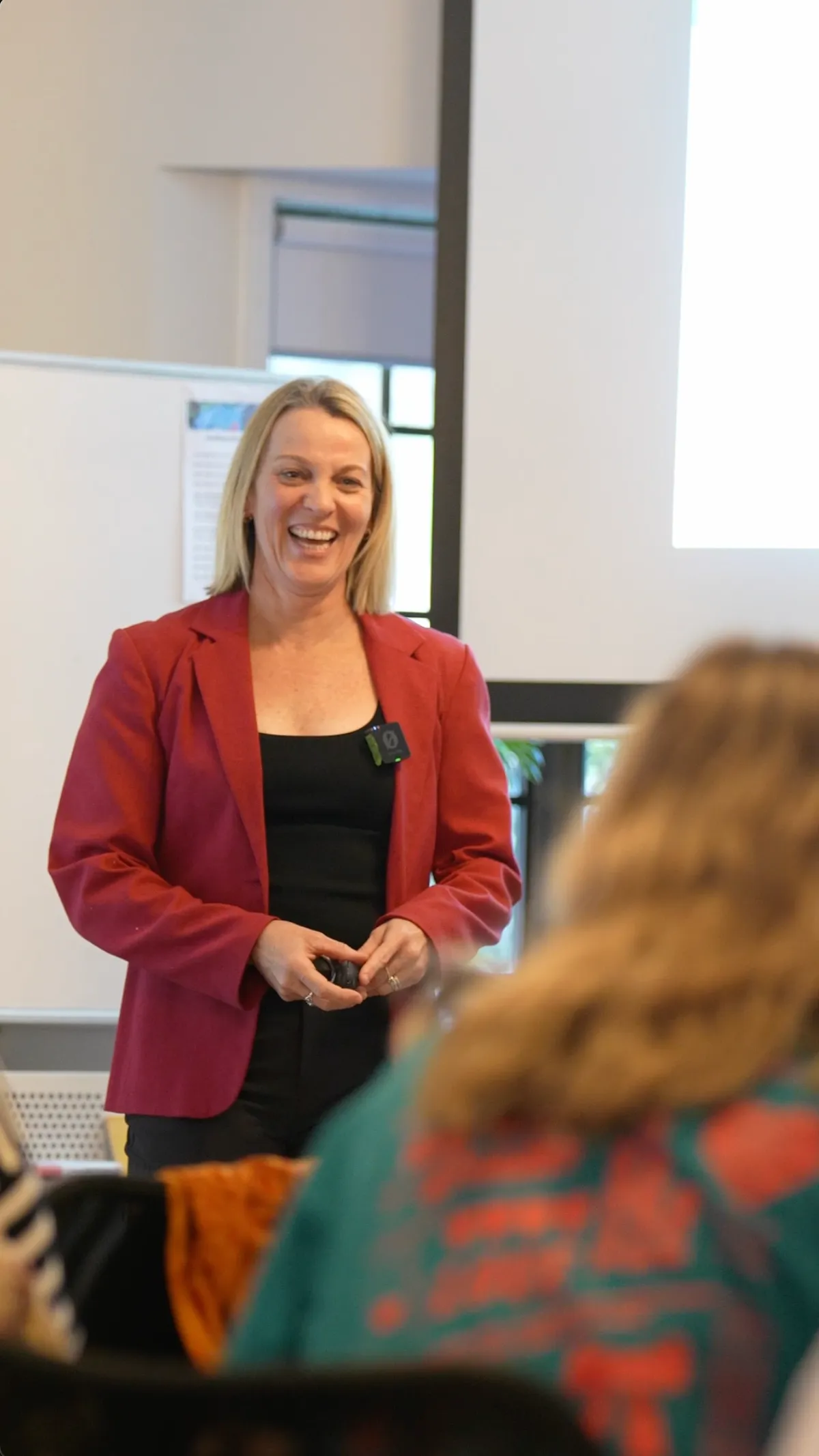
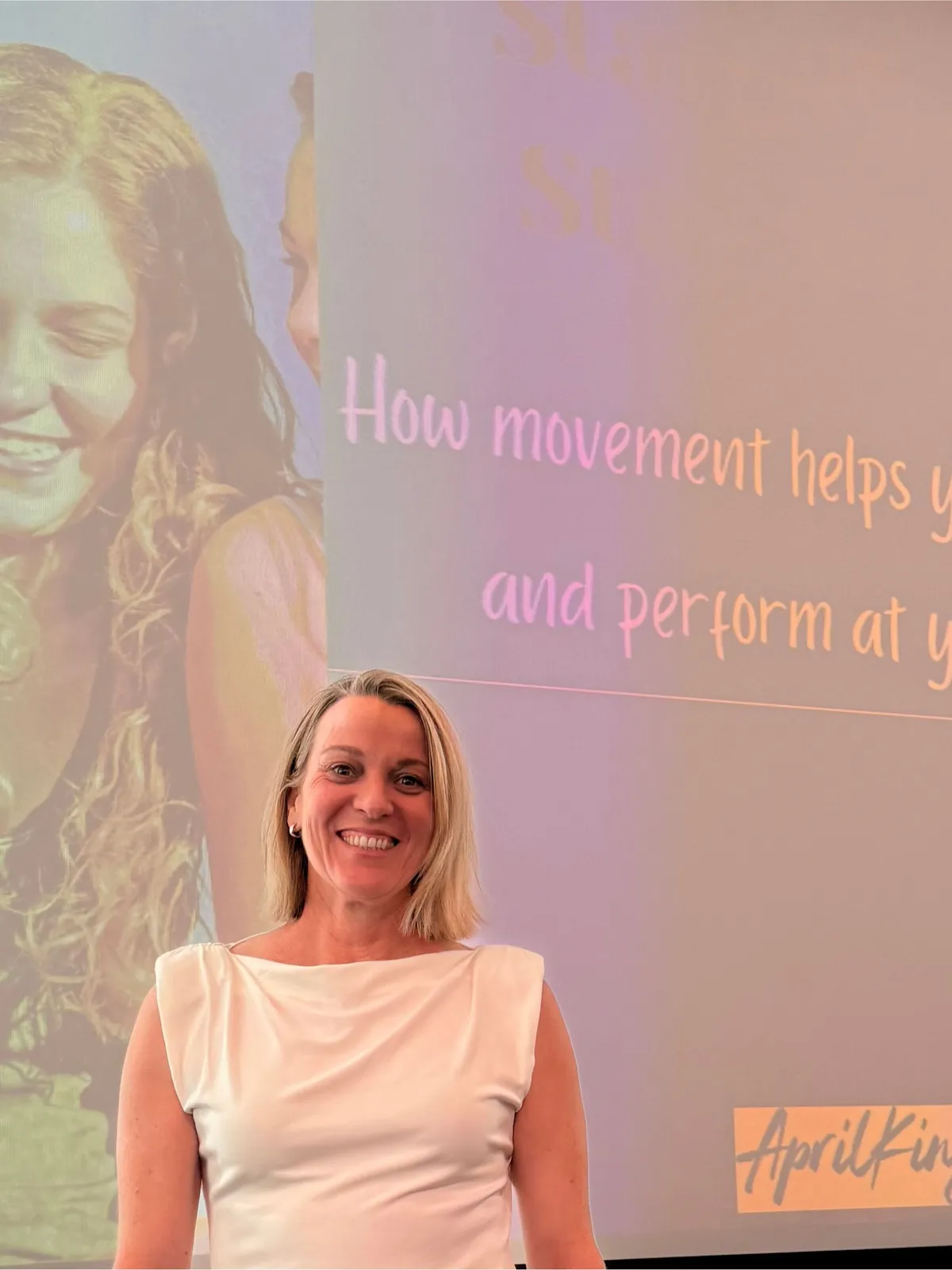
From schools and workplaces to women’s events and community groups, April brings science to life through practical, engaging conversations that audiences can understand and use.
speaker reel
speaker reel
Start Strong. Stay Strong. can be delivered through tailored presentations and workshops for students, teachers, coaches and school communities.
speaking experience
What audiences and organisations say about working with April.
Presentation: Start Strong Stay Stay Presentation to Year 10 Girls
"Thank you so much for today and for the time, effort and care you spent creating the slides and presentation.
The session was engaging, informative and very well received. I am sure the students will take away valuable insights and practical strategies to help them look after their health and wellbeing, both now and into the future."
Joanne Nisbett
Health and Physical Education Faculty, Brisbane Girls Grammar School
Presentation: Menopause Support and Personal Well-Being Webinar
"Thanks so much for your session last night. I found it really informative and you are pleasure to listen to."
Nuala Jewitt
Integrated Living Organisation
Presentation: Own Your Health
"April’s 'Own Your Health' session was such a reaffirming experience for me. I came away feeling inspired, informed and, most importantly, motivated to make small, consistent changes to improve my overall wellbeing. April has a way of simplifying health and cutting through all the noise (and misinformation) we’re surrounded by, which made the session feel practical and achievable rather than overwhelming."
Kim McGowan
Haultrax
Presentation: Own Your Health
"Participating in April's Own Your Health session was an absolutely wonderful experience for me individually and as a part of my team. April is so passionate about health, and speaks with such compassion - she inspires and instils confidence to "own your health"; start from where you are, and do what you can to nurture your health.
April's approach is to drown out the noise that we are constantly exposed to through social media, and centre our efforts on making better choices, and education on foundational elements of nutrition, mobility and longevity that we should focus on.
April's session was incredibly engaging, the entire team loved it, and felt comfortable to ask questions and share their experiences. I’d highly recommend April’s sessions to any organisation looking to meaningfully invest in their people’s wellbeing."
Chetna Sharma
General Manager, Business Operations, Haultrax
Presentation: Understanding Puberty and Implications on Athletic Performance in Adolescent Girls - For Teachers and Coaches
"Thank you for your fantastic presentation April King. We are always looking for information that we can use to further support our students. You gave us more than just information. We loved your insight, your emphasis on holistic and long-term wellbeing, and your passion. Great stuff! "
Stephen Fogarty
Director of Health and Physical Education at Brisbane Girls Grammar School
Presentation: Menopause, Supplements and Training for Midlife Women
"Thank you for the presentation April.
It was what I expected, informative and helpful and very relatable to where my body, eating habits and training options need to align with daily life and routine.
Your explanations and breakdown of the information was easy to understand, I will definitely be attending your next session."
Patrina Kaipuke
School Presentations
Helping adults understand the physical, hormonal and psychological changes of puberty, how these influence performance and injury risk, and practical ways to better support adolescent girls.
Understanding Puberty:
Supporting Girls Through Physical Change and Athletic Performance
For teachers, coaches and parents
Helping adults understand the physical, hormonal and psychological changes of puberty, how these influence performance and injury risk, and practical ways to better support adolescent girls.
Keeping Girls in Sport:
Building Performance While Reducing Injury Risk
For teachers, coaches and parents
Evidence-based strategies to improve movement quality, confidence and participation while reducing common injuries in adolescent female athletes.
Start Strong. Stay Strong.
Building Healthy Movement Habits for Life
For students (Years 7–12) and teachers
An engaging presentation that empowers girls to understand their bodies, build strength, develop healthy habits and gain confidence to move for life.
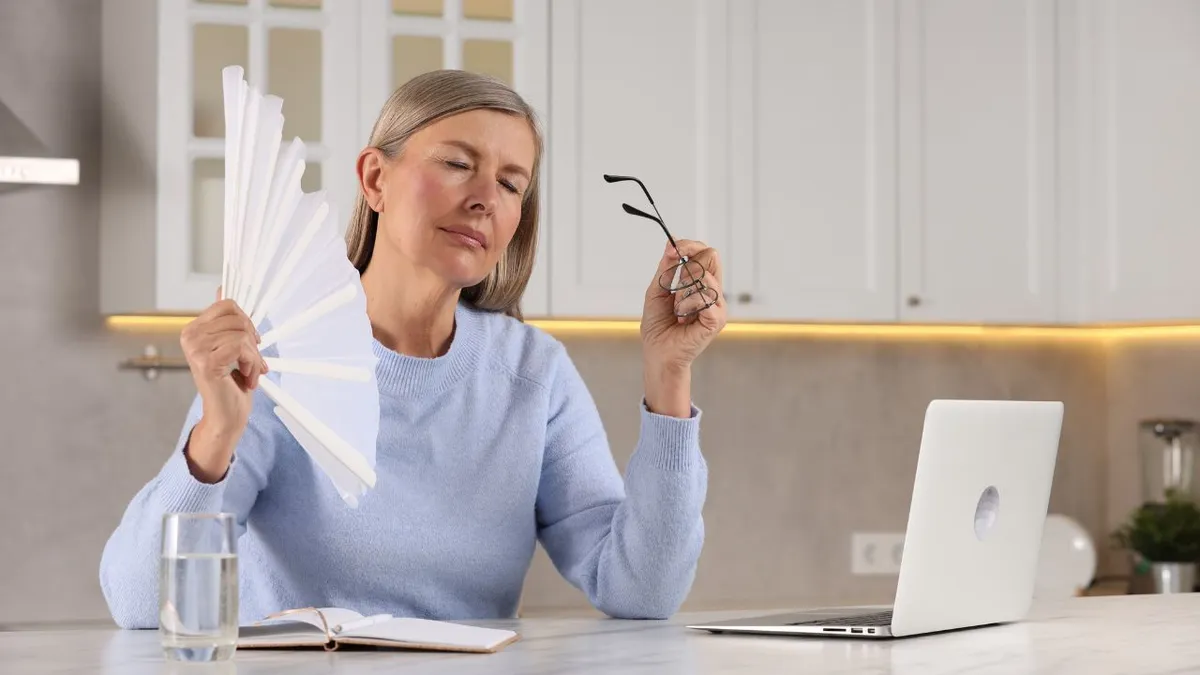
Menopause, Work and Wellbeing:
Helping Women Perform at Their Best
For schools and organisations
Understanding how the menopause transition affects physical health, cognition and workplace performance, with practical strategies that improve wellbeing, productivity and long-term health.
Program Resources
Helping adults understand the physical, hormonal and psychological changes of puberty, how these influence performance and injury risk, and practical ways to better support adolescent girls.
My Menstrual Health Check in
for students
Puberty and menstruation can bring a lot of change, and it is not always easy to know what is expected and what might be worth talking about.
This private self-reflection tool helps students think about their menstrual cycle, pain, bleeding, energy, symptoms and the impact these may be having on school, sport and everyday life.
It is not a diagnostic tool. It is designed to help students recognise patterns, better understand their own body and identify when it may be worth speaking with a parent, trusted adult or health professional.
What’s Getting in the Way?
Student Participation Survey
Why do some girls disengage from PE, sport and physical activity, even when schools are working hard to encourage participation?
This anonymous student survey helps schools better understand the barriers within their own community. It explores factors such as confidence, body image, periods, pain, uniforms, changing environments, skill level, social belonging and previous experiences of sport and PE.
The aim is not to assume why girls are stepping back from movement. It is to ask them.
Schools can use the findings to identify patterns, guide conversations and make more informed decisions about how physical activity and sport are supported.
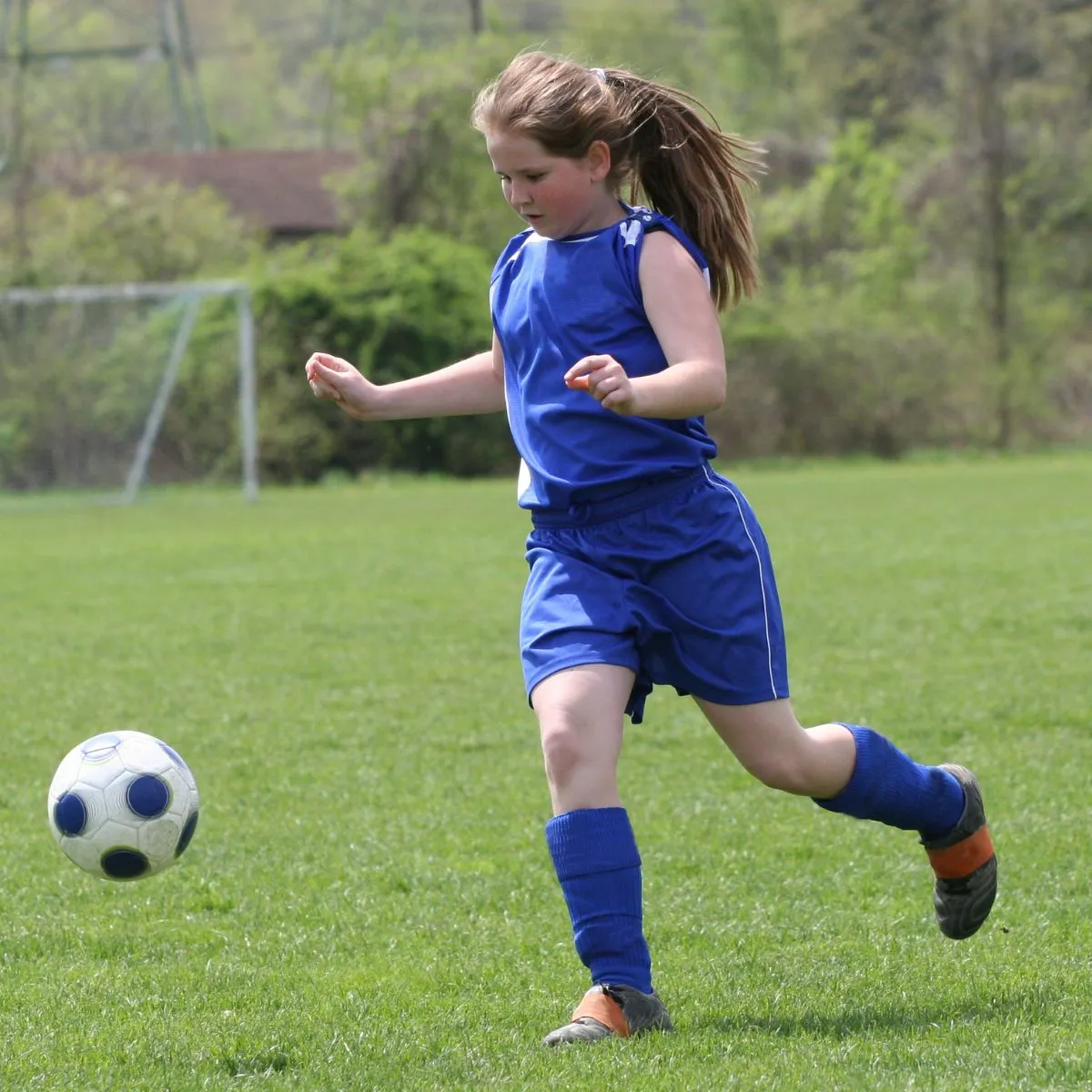
How Do We Move?
Classroom Movement Lab
How well do we really understand the way our bodies move?
This simple, interactive classroom activity turns movement assessment into a practical learning experience. Students work in pairs to observe each other performing a series of simple movement tasks, recording what they see and discussing how strength, balance, mobility and control can influence the way we move.
Designed to be fun and engaging, the activity helps students develop movement awareness while giving physical educators a practical way to introduce concepts such as biomechanics, individual variation and physical capacity.
This is not a diagnostic or medical screening tool. It is an educational activity designed to encourage observation, discussion and a better understanding of movement.
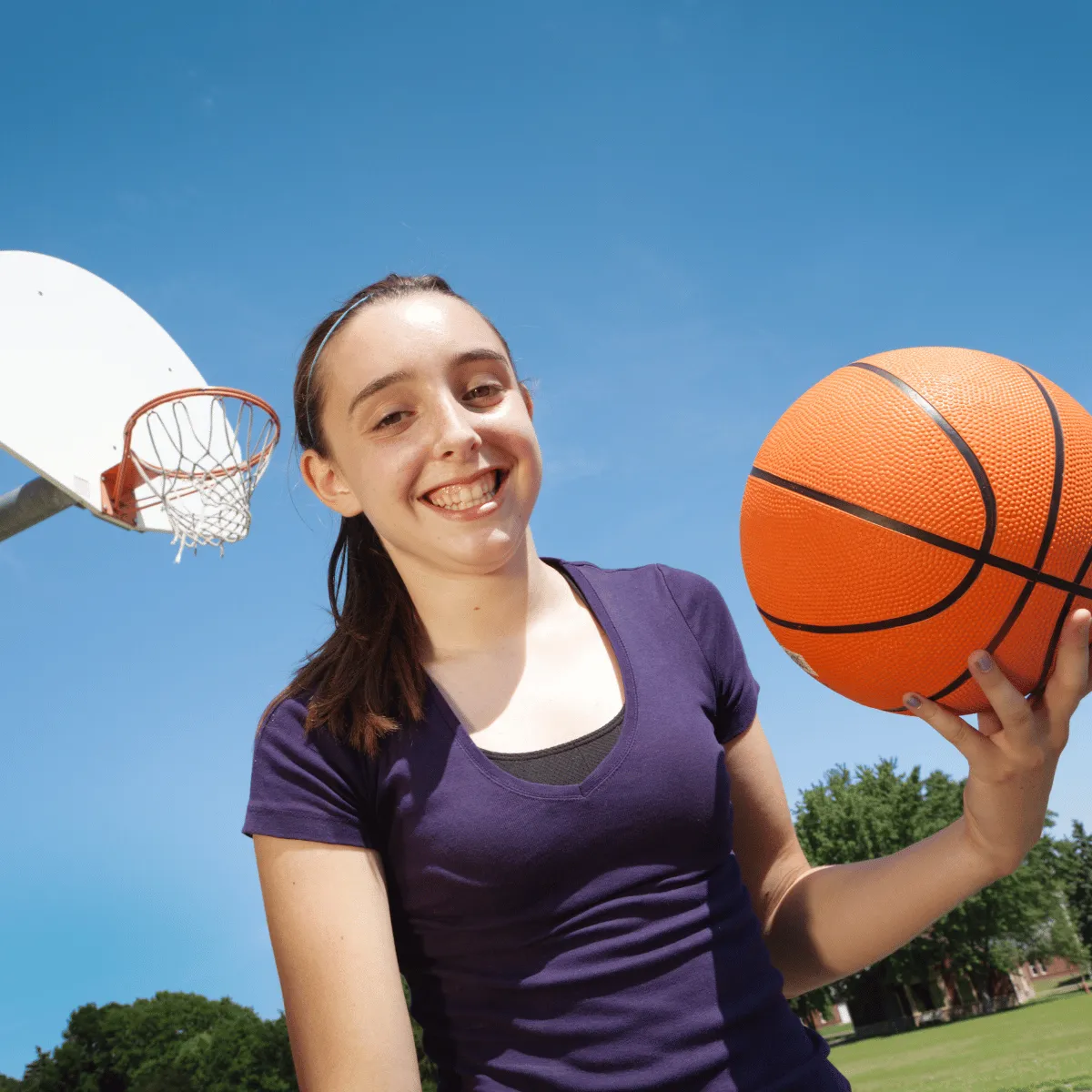
Building Better Movers
12-Week Movement Foundations Program
Puberty can change the way young people move. Rapid growth, changing body proportions and shifts in strength, coordination and control can temporarily affect movement confidence and physical performance.
This 12-week practical resource helps physical educators explore those changes through simple movement activities, classroom-based assessments and progressive physical challenges.
Students can test, observe, practise and re-test key movement qualities while learning more about how their own bodies adapt.
The program is designed to make movement science practical, engaging and relevant, while giving teachers a structured way to build physical capacity across the school term.
ways to work with april
April is available for:
• Keynote presentations
• Conference presentations
• Corporate presentations
• Interactive workshops
• Women’s leadership and executive sessions
• Women’s health education
• School student presentations
• Staff and coach professional development
• Panel participation
• Facilitated sessions
Presentations can be adapted to suit the audience, organisation and event objectives.
About April
YOUR SPEAKER
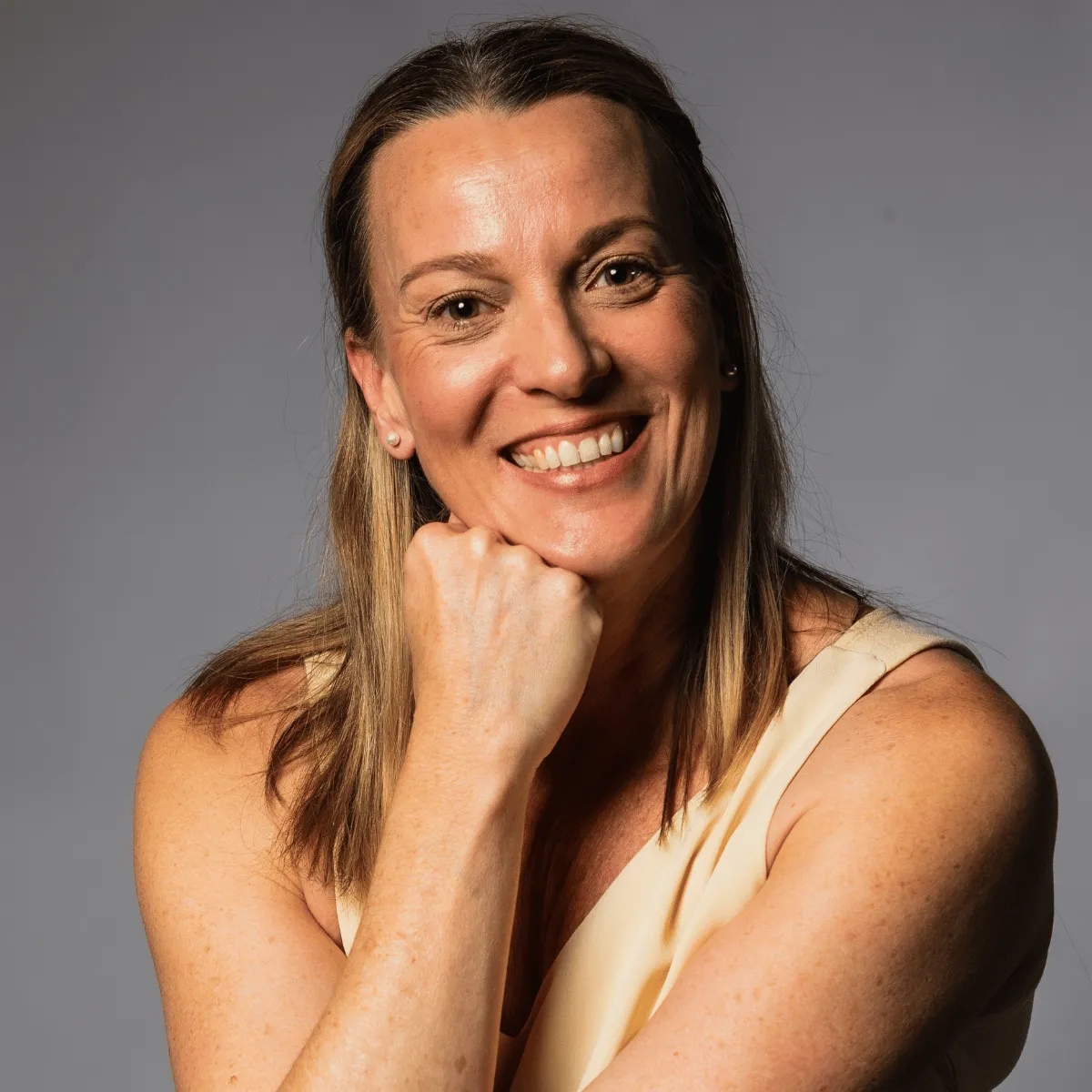
April King is a speaker, educator, physiotherapist and human performance coach whose work explores the connection between physical capacity, women’s health and the way we perform across life.
With more than 23 years in physiotherapy and over 15 years in strength and conditioning, April brings together clinical experience, coaching, women’s health, business leadership and education to make complex health and performance science practical, relatable and useful.
Having worked with girls and women across adolescence, adulthood, midlife and older age, April has seen first-hand how understanding our bodies and building physical capacity can change not only our health, but how confidently we participate in sport, work and life.
Her work is built around a simple belief:
We should spend less time teaching women to fear their bodies and more time helping them discover what their bodies are capable of.
speaker resources
BRING APRIL TO YOUR NEXT EVENT
Whether speaking to adolescent girls, professional women, leaders, educators or women navigating midlife, April’s goal is the same: to help people understand their bodies, build their capacity and discover what they are capable of.